
Bringing Volcano Science to Life at Te Tūkohu Ngāwhā Mātauranga Māori Science and Design Fair
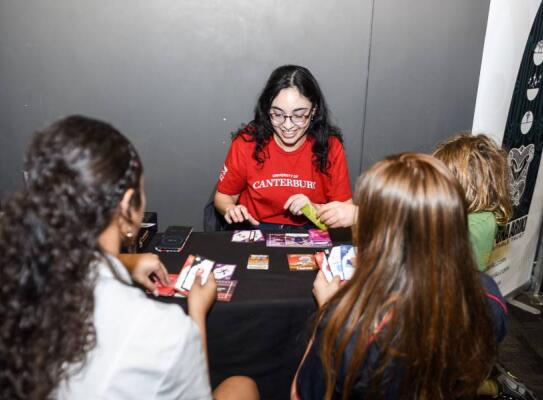
The Beneath the Waves team at Earth Sciences New Zealand collaborated with QuakeCoRE and the University of Canterbury for the Te Tūkohu Ngāwhā Mātauranga Māori Science and Design Fair, which was held in Rotorua from 26–28 August 2026. The three-day event provided an exciting opportunity to connect with ākonga, kaiako, whānau and the wider community, sharing knowledge and enthusiasm for volcanoes and Earth science.
The fair brought together 26 schools from across the region, with students showcasing an impressive 120 science and design projects. Of these, 19 were conceptualised in te reo Māori, highlighting the important connections between science, language and mātauranga Māori.
The fair was attended by approximately 750 people across the three days. The projects showcased students' creativity, problem-solving and artistic skills, with many exploring important environmental challenges such as climate change, biodiversity loss and water health.
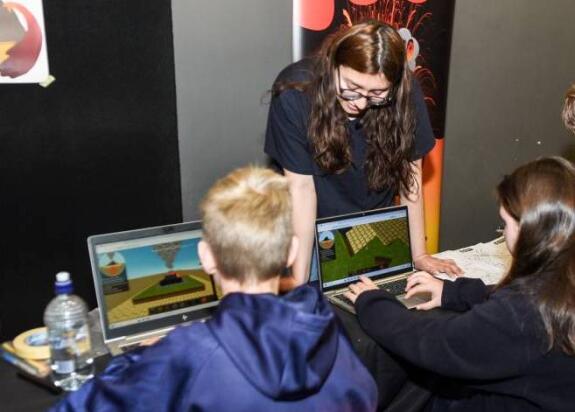
The volcano science exhibit was a highlight of the fair and offered visitors a range of interactive activities to explore volcanic processes and hazards. These included games like the 5-Minute Volcano, the Volcanic Explorer NZ and a collection of volcanic rocks from volcanoes across Aotearoa New Zealand and around the world.
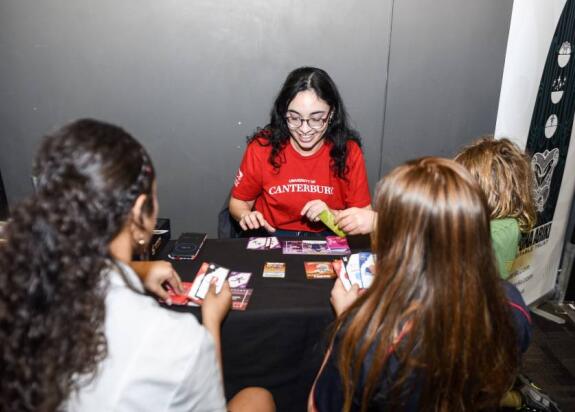
The activities were popular with students, parents and teachers. The Volcanic Explorer NZ game attracted plenty of attention, and the 5-Minute Volcano was a particular favourite. Students enjoyed the challenge, with many returning to have another go and improve their results. Teachers were also interested in the game's educational value and its potential to support learning in the classroom.
The volcanic rock collection generated plenty of curiosity and conversation. Students were fascinated by the opportunity to handle real volcanic rocks and discover more about where they came from. Many were particularly excited to learn about the volcanoes in their own backyard. Being able to see and touch samples from real volcanoes helped make Earth science tangible, connecting geological processes to the landscapes and places familiar to students. It was a great way to demonstrate that volcano science is relevant to the world around us.
One memorable interaction highlighted the value of hands-on science engagement. A young girl returned to the exhibit several times, fascinated by the volcanic rock collection and eager to ask questions. She eventually shared that the rocks had been her favourite part of the entire fair. Inspired by what she had discovered, she expressed an interest in becoming a geologist and asked if she could write a school report about the rocks, reflecting on her experience and what she had learnt. This was a wonderful reminder of how hands-on experiences can spark curiosity and inspire future career pathways. Giving young people opportunities to explore real-world science helps them see that science is not something distant or inaccessible, but something they can actively engage with and be part of.
According to PhD student Karina Coilla "I was amazed by how much the students already knew about the land around them. I went there to share science, but I also learnt a lot from them about how they see their maunga. I'm truly grateful for their curiosity, and the warmth with which they welcomed us."
These interactions highlights the importance of connecting science with communities and providing opportunities for ākonga to discover the many possibilities a future in Earth science can offer.
Emma McFerrier from QuakeCoRE, who attended the event, reflected on the value of the experience: “We are grateful to have been part of the Te Tūkohu Ngāwhā Mātauranga Māori Science and Design Fair and to have had the opportunity to share our enthusiasm for volcanoes and Earth science with such an engaged audience. A big ngā mihi to the Beneath the Waves team at Earth Sciences New Zealand for supporting our participation and helping make this valuable community engagement opportunity possible.”
PhD student, Lais Novaes shared "As part of the UC Team, being considered to participate in this event was an honour. I only have compliments to the fair organisers, who did a great job of encouraging these children to explore their connections with science and mātauranga in a new way. This is the kind of experience we are proud to be a part of."
This collaborative participation provided a valuable opportunity to share Earth science beyond the research environment, connect with diverse communities and encourage curiosity about the natural world.